Looking for Light in Darkness: A Q&A with Jenni Fagan
Jenni Fagan knows what it’s like to be an outsider. It’s a trait she shares with many of her characters, including the heroine of her 2013 debut, The Panopticon. That novel follows the prickly Anais Hendricks as she maneuvers the foster care system in the UK, a childhood reality Fagan also weathered. When the book opens, Anais has just arrived at a juvenile delinquent center for putting a cop in a coma—a crime she cannot remember committing. Voice-driven, acerbic, and sharp, the novel earned Fagan a coveted spot on Granta’s prestigious Best Young British Novelists list, along with powerhouses like Sarah Hall and Helen Oyeyemi.
While Fagan’s latest couldn’t be further from the all-seeing eye of The Panopticon, she says she
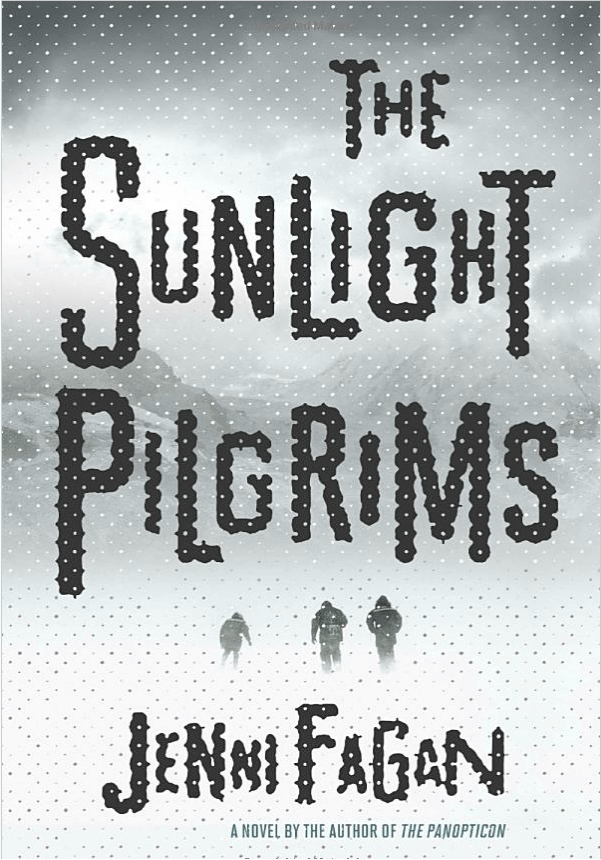
was still very much thinking of fringe culture while writing The Sunlight Pilgrims. A gritty survival tale set in the not-too-distant-future, The Sunlight Pilgrims takes place in a caravan park in Northern Scotland. Thanks to melting sea ice, temperatures fall to inhospitable levels, and the residents of the caravan park are especially vulnerable.
As the days grow colder, newcomer Dylan, grieving the loss of his mother and grandmother, befriends Stella, a transgender teen, and her survivalist mother, Constance. All three characters must learn how to navigate challenging emotional landscapes, even as the physical world—portrayed as both beautiful and deadly—shifts under their feet. For a tale about the end of the world and the brutality of nature, The Sunlight Pilgrims is human, intimate, and weirdly hopeful.
Fighting the time difference between the U.S. and the UK, I spoke with Jenni via phone while still on my first cup of coffee (she was well into her afternoon). We discussed climate change, Brexit, the origins of Stella, and outsider modes of art.